September 29, 2026
In today's world, maintaining mobility within the home is crucial for the elderly and those with physical limitations. Modern stair lifts offer a practical solution by enhancing safety and accessibility in homes with multiple levels. Understanding the myriad of benefits they offer will help individuals make informed choices about enhancing their living environments. The primary advantage of choosing stair lifts is that they allow individuals to remain in their homes comfortably as they age. As families look for ways to support aging relatives, the inclusion of a home mobility system can significantly reduce fall risks and related injuries.
Understanding Stair Lifts
History and Development
The concept of stair lifts began in the 1920s when mechanized lifts were almost exclusively utilized by polio patients. Over the decades, technological advancements have evolved stair lifts into reliable and sophisticated devices. Early models were rudimentary and often uncomfortable; however, modern iterations emphasize ergonomic comfort and user-friendly controls. This transformation reflects a broader recognition of mobility aids' importance in promoting an inclusive home environment. As a result, stair lifts are now engineered to serve a wider array of users with varying needs.
Components and Features
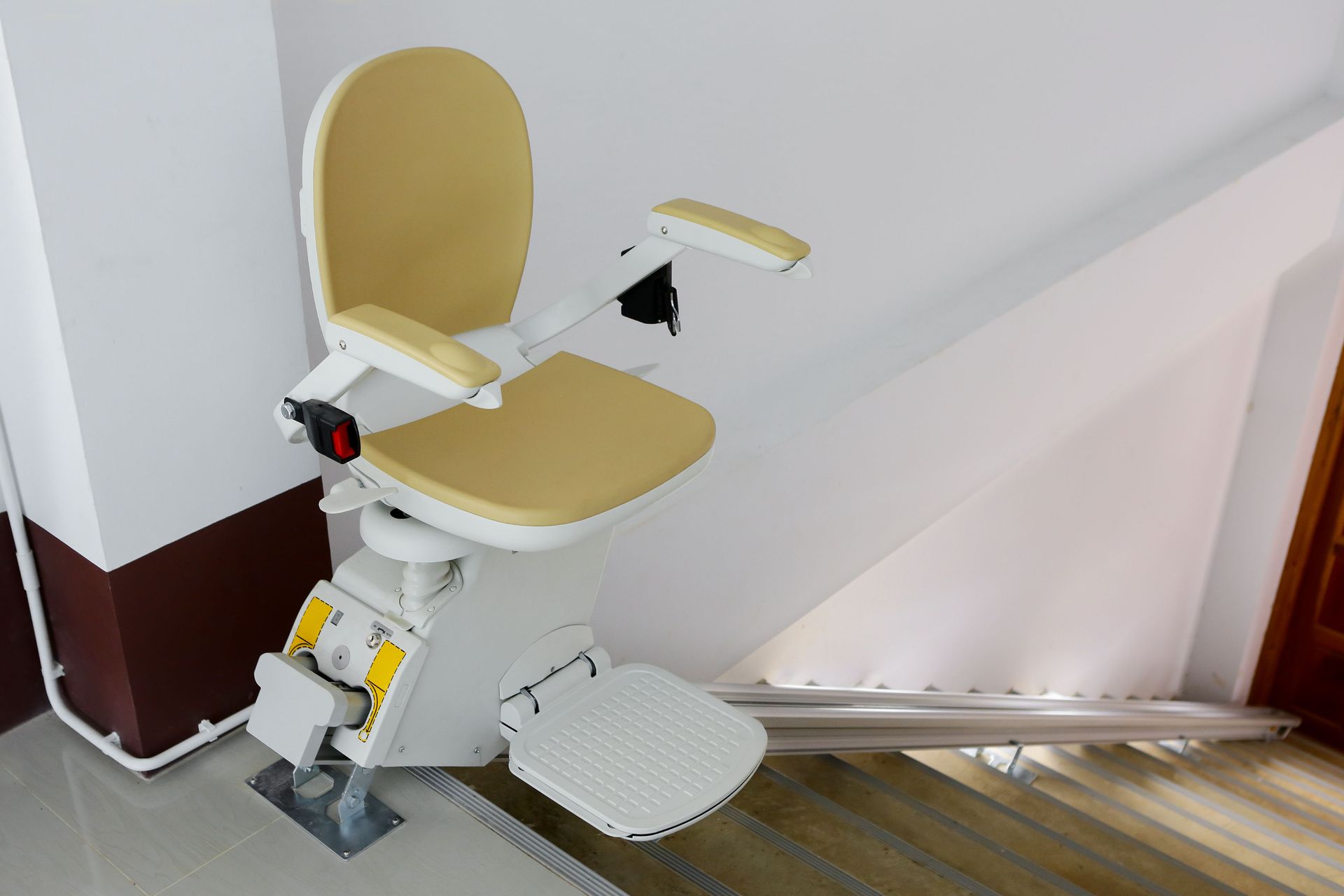
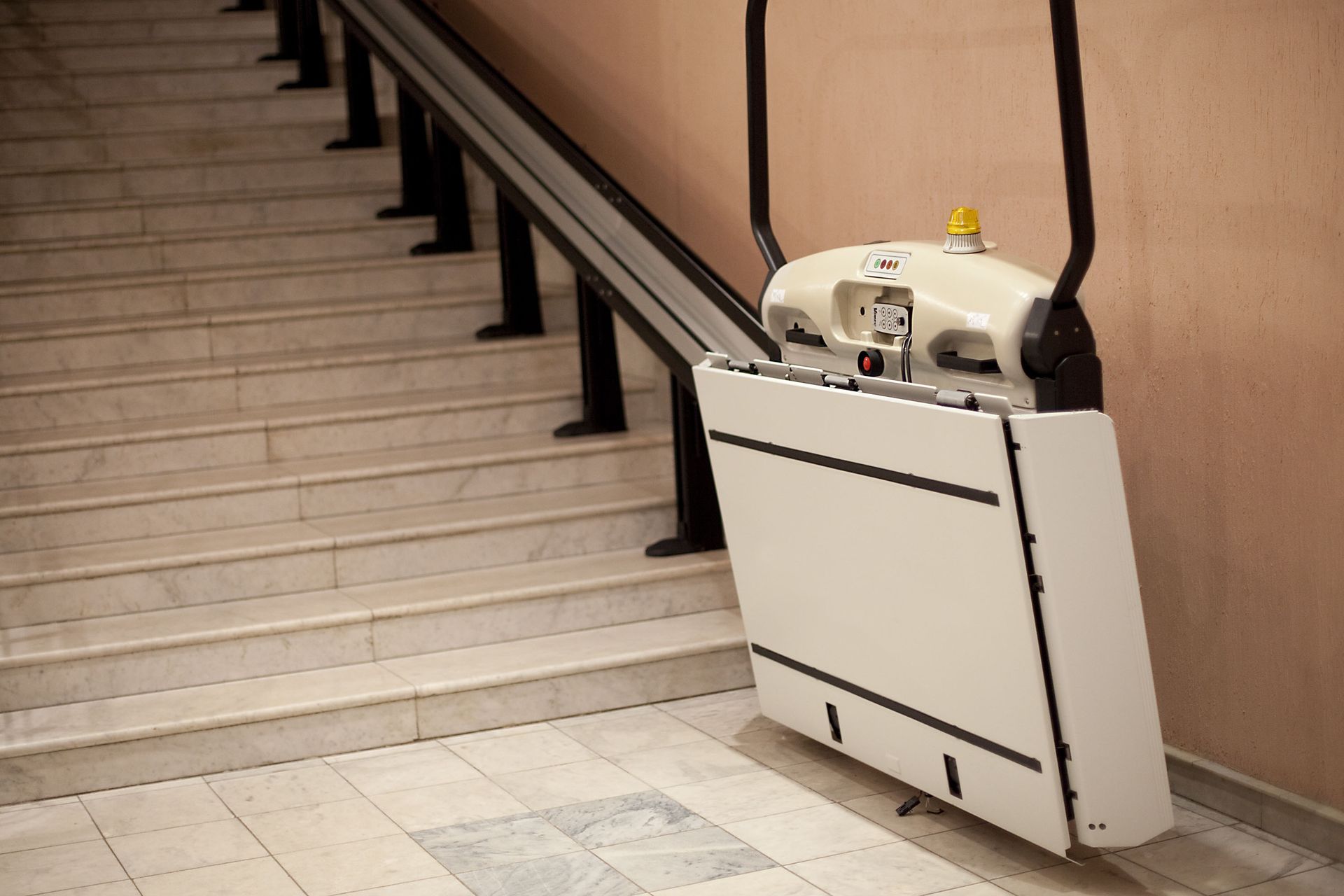
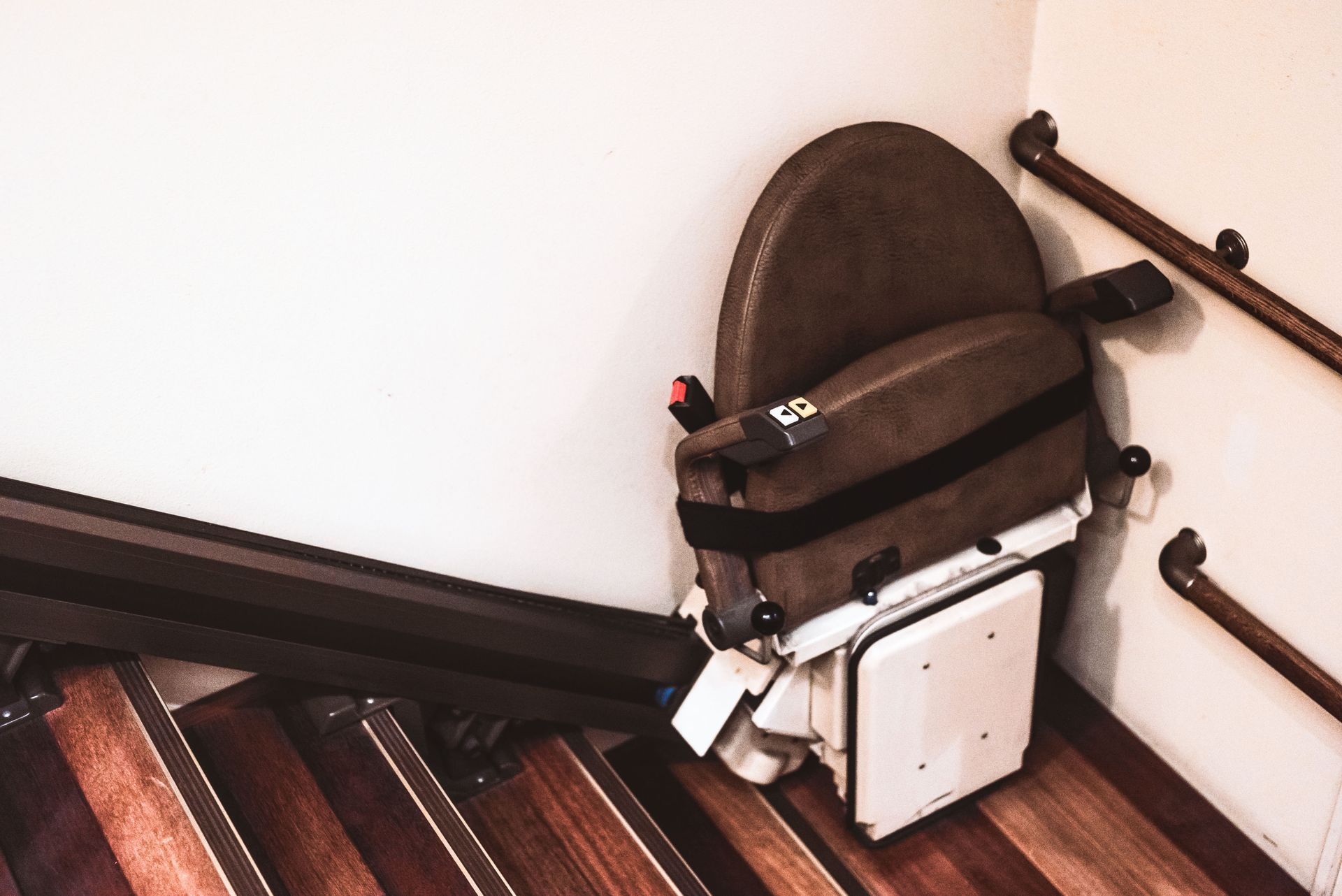
A standard system is composed of several essential components, each playing a vital role in its operation and safety. The main components include the track, which guides the carriage up and down the stairs, and the seat assembly itself. Safety features like seat belts, swivel seats, and footrest sensors are standard to ensure user safety. Modern stair lifts also feature battery backup systems to ensure functionality during power outages. These components, combined with additional customizable options, enhance overall usability and comfort.
How Stair Lifts Work
The operational mechanics of stair lifts revolve around simplicity and reliability. Most models function using a gear rack mechanism, where the motorized carriage is propelled smoothly along the track. The power source can vary from direct current motors, which are energy efficient and quiet, to alternating current motors. Premium stair lifts are typically controlled via a joystick or remote control, offering users intuitive operation. According to the National Aging Council, most systems can carry weights of 400 to 600 pounds, accommodating a wide range of users.
Benefits of Stair Lifts
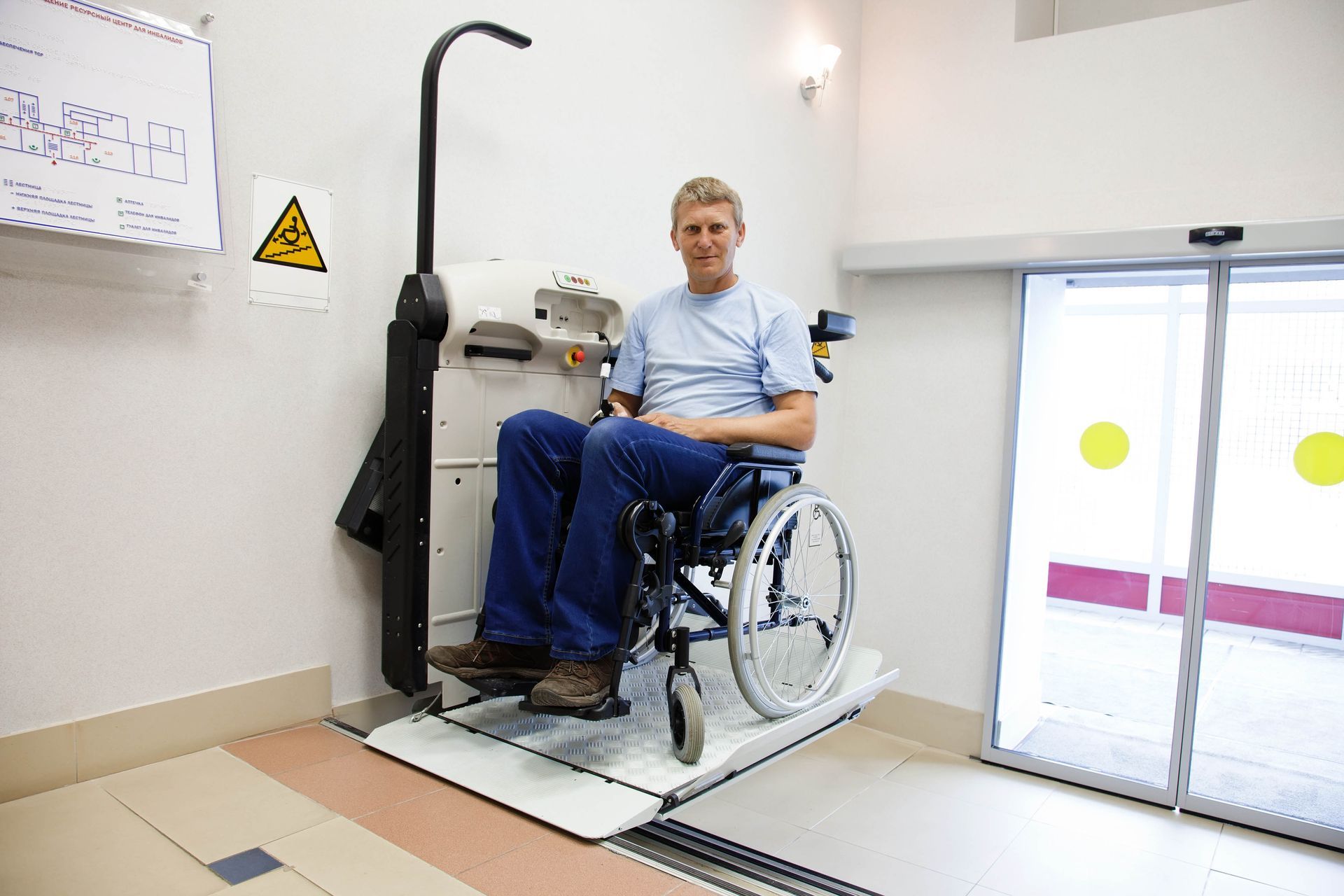
Installing quality stair lifts significantly enhances the quality of life by providing users the independence to move between floors safely. For elderly or mobility-impaired individuals, they offer a sense of control over their living space without the fear of falls or injuries. By facilitating easy access to upper floors, stair lifts empower users to utilize their entire home rather than confining their living space to one level. They further contribute to mental well-being, reducing stress related to mobility challenges and promoting an active lifestyle. Additionally, the presence of a safe lift system can provide peace of mind for family members who worry about their loved ones' safety.
Choosing the Right Stair Lift
Assessing Your Needs
The process of selecting the right equipment begins with a comprehensive assessment of individual needs and home architecture. Homeowners should examine the physical limitations of the user and the specific requirements of their staircase. Straight staircases have different requirements compared to those that include landings or curves. Similarly, understanding user limitations will help in determining whether features like extra seating space or weight accommodations are necessary. Conducting this analysis ensures that chosen stair lifts meet all user requirements and enhance daily life.
Consultation and Professional Advice
Seeking the expertise of a professional can significantly narrow down the choices and lead to a decision that aligns with both personal and technical needs. Mobility specialists can conduct site assessments and provide recommendations based on the available space, user needs, and budget constraints. These experts can also offer insight into the latest technological features and safety standards that consumers might not be aware of. Professional consultation ensures that all factors are considered, leading to a well-informed purchasing decision. It is also invaluable in understanding post-installation support services and warranties.
Installation Process
Site Assessment
The installation process begins with a site assessment conducted by professionals who evaluate the staircase and surrounding space. This assessment determines the feasibility of installing stair lifts in the existing environment and identifies any potential challenges. Professionals look for structural limitations, such as narrow staircases or unconventional designs, that might affect the installation process. A thorough site assessment ensures that the chosen unit is compatible with the home layout and will function optimally. This step is crucial as it lays the groundwork for a smooth installation process.
Preparation and Safety Checks
Before installation, certain preparations and safety checks are necessary to ensure a seamless process. The area around the staircase needs to be cleared of obstructions, and any carpeting should be assessed for compatibility. Safety checks are conducted to ensure that all electrical connections are secure and meet local regulations. Professionals will verify that the staircase can support the system's track without compromising structural integrity. These preliminary steps are vital for ensuring user safety and long-term functionality.
Post-Installation Inspection
A post-installation inspection is essential to confirm that the equipment operates correctly and safely according to the manufacturer's specifications. Technicians will check to ensure all components function as intended, from the motor to the seatbelt. This inspection often includes a demonstration of the lift's features and emergency protocols for the user’s familiarity. Adjustments may be needed to tailor operation to specific user needs, such as fine-tuning the speed or seat height. This comprehensive assessment ensures any initial issues are addressed, optimizing performance from day one.
Safety Features and Considerations
Essential Safety Features
To ensure user safety, stair lifts are equipped with several key safety features that prevent accidents and malfunctions. Standard features include seat belts and armrests that prioritize stability during operation. Many models also include obstruction sensors that automatically stop the carriage if an object blocks the track. Another critical feature is the swivel seat, designed to enable safe and ergonomic transfer on and off the equipment. Each safety feature plays a crucial role in mitigating risks, making them an indispensable aspect of the device.
Regular Maintenance Checks
Routine maintenance is pivotal in extending the lifespan and reliability of home accessibility equipment. Regular checks typically include inspections of mechanical components and batteries, as well as thorough testing of safety features such as seat belts and sensors. While some minor checks can be performed by users, professional servicing is recommended for comprehensive maintenance. Proactive maintenance minimizes risks associated with mechanical failures and ensures that all safety systems are operational. Well-maintained stair lifts not only guarantee user safety but also preserve the investment made into the mobility solution.
Common Safety Concerns
Despite the robust safety features of modern devices, certain concerns must still be addressed to ensure user confidence. Electrical safety precautions are necessary to avoid issues like short circuits or power loss. Weight capacity is another significant consideration, as exceeding it may lead to mechanical failures or structural damage. Users should be educated about operating their equipment correctly to prevent incidents caused by human error. Addressing these concerns through education and proper use reinforces the security and practical benefits of owning accessibility solutions.
Stair lifts are invaluable tools in enhancing mobility and safety within homes equipped with stairs. They not only improve the quality of life for individuals facing mobility challenges but also provide peace of mind for families. Understanding all aspects, from types and features to installation and safety, helps homeowners make informed decisions. As society continues to prioritize accessibility, stair lifts stand out as crucial contributors to this mission. Addressing mobility needs with empathy and precision, these devices ensure that all individuals can comfortably navigate multi-level homes. Call Progressive Mobility and Medical today for more information.