April 30, 2026
A home should provide safety, comfort, and independence for all of its residents, regardless of their mobility abilities. As people age or experience physical challenges, their living environment may no longer support their daily needs. Building a home that accommodates changing mobility requirements is essential for maintaining autonomy, preventing accidents, and ensuring long-term well-being. Home modifications tailored to accessibility not only enhance safety but also improve quality of life for individuals and their families.
Understanding the Importance of Accessible Home Design
Accessible home design addresses the needs of individuals with limited mobility by incorporating features that reduce barriers and increase functionality. Incorporating thoughtful design elements ensures that residents can move freely and perform essential tasks without unnecessary risk. According to HudUser, 12% of homes include at least one individual who has mobility-related needs, highlighting the widespread importance of accessibility in modern housing.
Designing for accessibility involves more than installing a single feature; it requires a comprehensive approach that considers entryways, hallways, bathrooms, kitchens, and multi-level living spaces. By planning ahead, homeowners can integrate solutions that adapt to changing needs over time, reducing the need for costly or disruptive retrofits. Accessible design supports both safety and independence, allowing residents to live comfortably in their homes for years to come.
Evaluating Home Layout and Space Requirements
The first step in building a home that accommodates changing mobility needs is evaluating the overall layout and space requirements. Wide doorways, open floor plans, and clear pathways allow for easy navigation of wheelchairs, walkers, or other assistive devices. Strategic placement of furniture and fixtures can minimize obstacles and create an environment that promotes independence.
Consideration of room dimensions, hallway widths, and turning radii is essential for ensuring safe and convenient movement. Even small adjustments, such as repositioning light switches and electrical outlets, can significantly impact accessibility. Homeowners should anticipate future mobility challenges and design spaces that can be modified without extensive reconstruction. By thoughtfully evaluating layout and space, a home can be both functional and accommodating to evolving needs.
Incorporating Bathroom Safety and Accessibility Features
Bathrooms present unique challenges for individuals with mobility limitations. Wet and slippery surfaces, confined spaces, and the need to reach high or low fixtures can increase the risk of accidents. Incorporating accessibility-focused features such as walk-in showers, grab bars, non-slip flooring, and adjustable-height fixtures can make bathrooms safer and more functional.
Accessible bathroom design allows residents to perform personal care tasks independently while reducing the risk of falls or injuries. Features such as built-in shower seating, lever-style faucets, and roll-in shower systems provide practical solutions for individuals with varying mobility needs. By prioritizing safety in bathroom design, homeowners create an environment that supports long-term independence and well-being.
Planning for Multi-Level Mobility Solutions
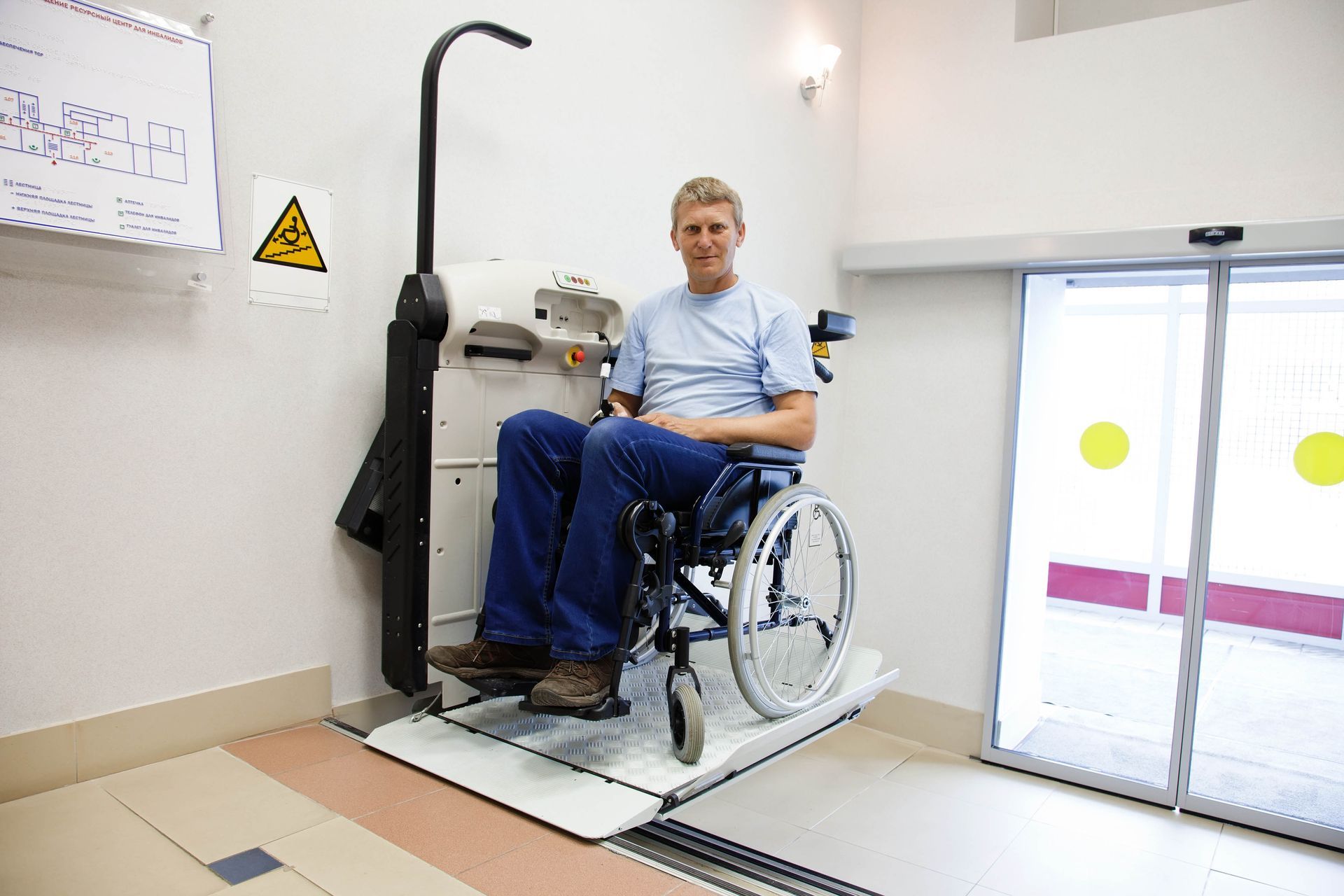
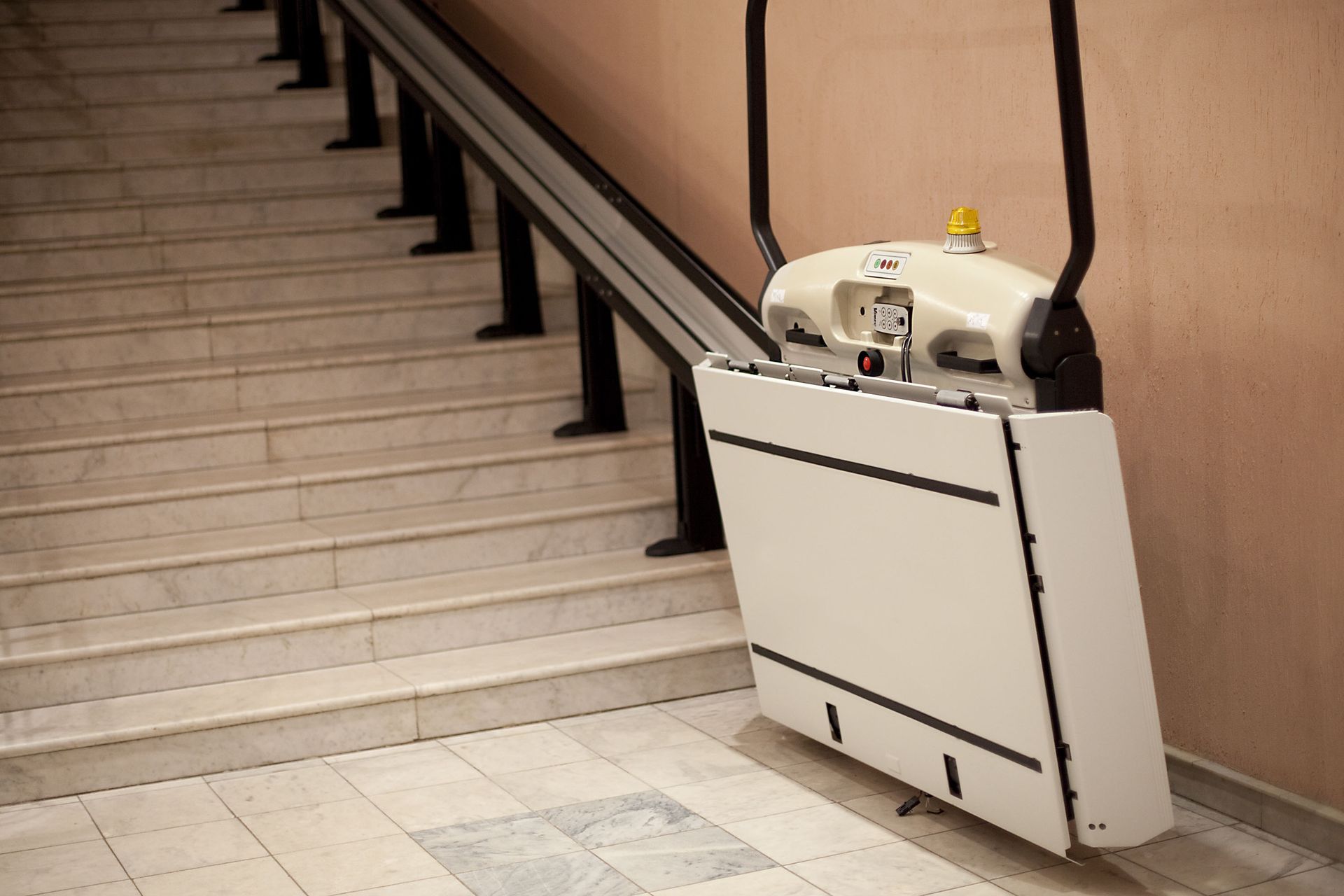
Multi-level homes often present the greatest challenge for individuals with mobility limitations. Stairs can impede safe access to bedrooms, bathrooms, and common living areas. Planning for multi-level mobility solutions ensures that residents can navigate their homes safely and comfortably, regardless of physical ability.
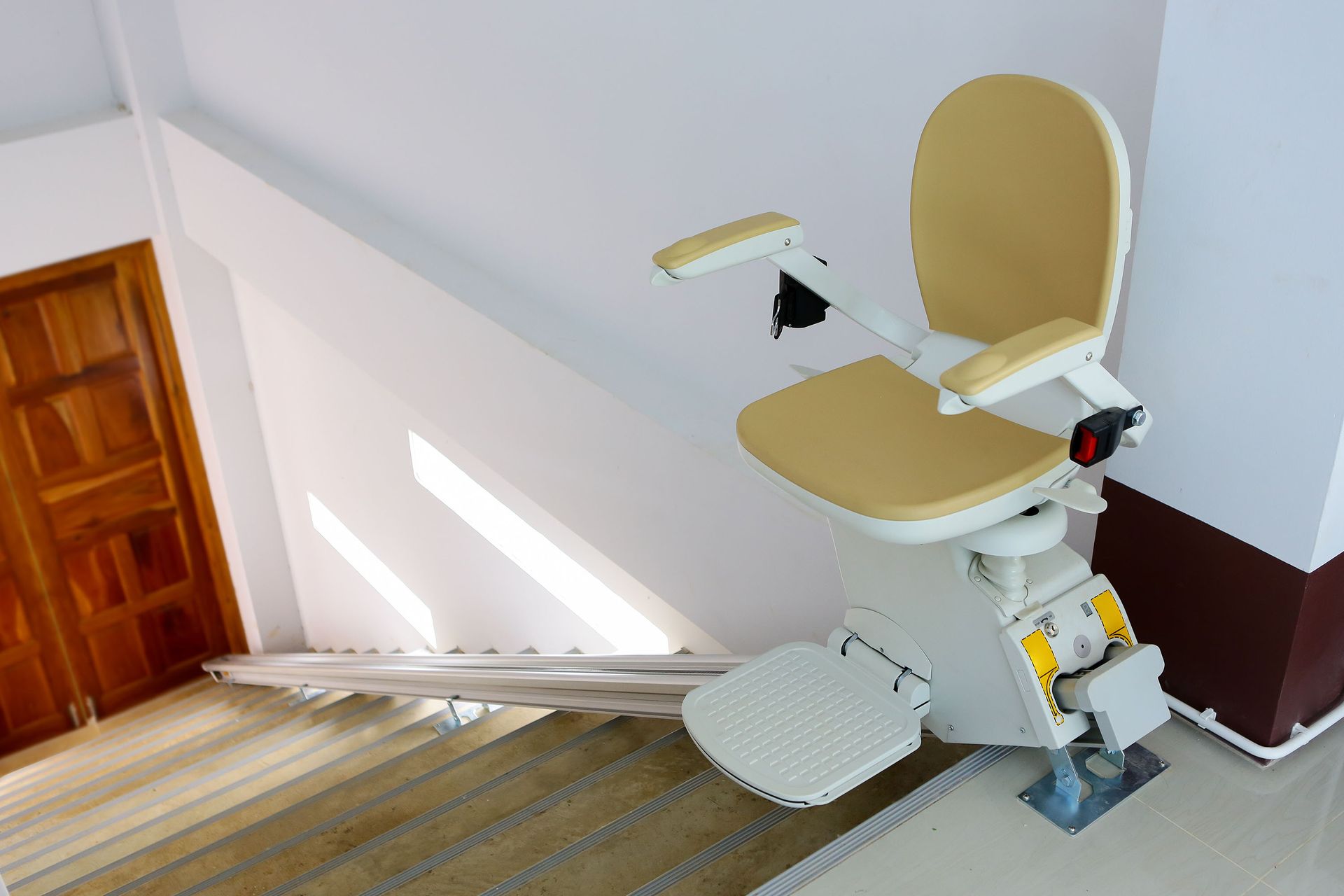
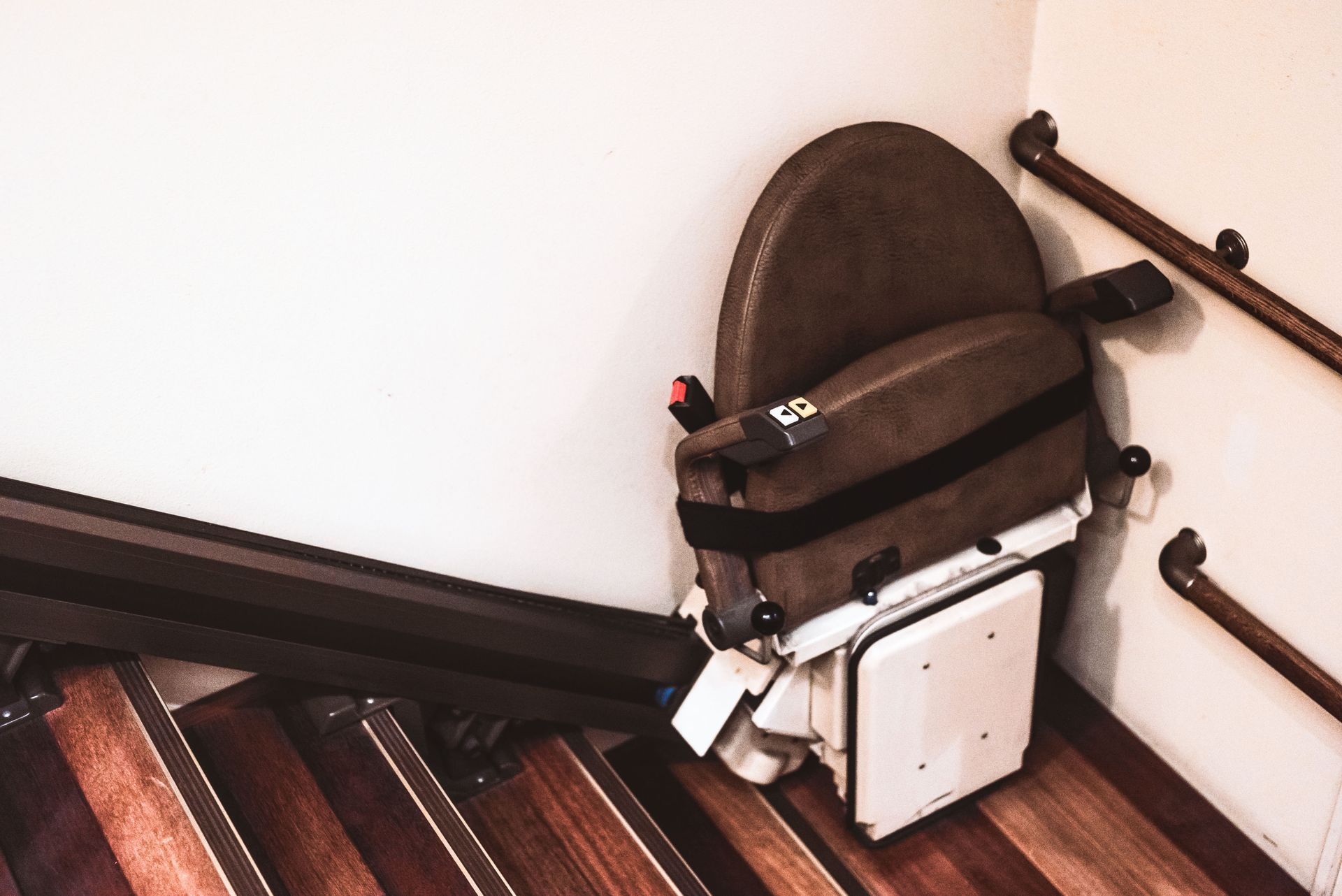
Stair lift service is a common and effective solution for addressing vertical mobility challenges. Properly installed stair lifts allow individuals to move between floors without exertion or risk of falls. Modern stair lift systems offer features such as adjustable seating, smooth operation, and compact designs that fit within existing stairways. Considering multi-level solutions during the design phase allows homeowners to integrate these systems seamlessly into their living spaces.
Integrating Universal Design Principles
Universal design principles aim to create spaces that are accessible and usable by all individuals, regardless of mobility level. Incorporating these principles during home construction or renovation ensures that accessibility solutions are seamlessly integrated, rather than appearing as afterthoughts.
Universal design elements include features such as zero-step entries, wide hallways, and lever-style door handles. Kitchens can benefit from adjustable countertops, pull-out shelving, and accessible appliances. Living spaces designed with universal accessibility in mind accommodate changing mobility needs without sacrificing aesthetics or functionality. By incorporating universal design, homeowners create a future-proof environment that supports long-term independence and comfort.
Enhancing Kitchen Accessibility and Functionality
Kitchens are central to daily life and often require thoughtful design to accommodate mobility limitations. Features such as lower countertops, pull-out shelves, and accessible appliances reduce physical strain and increase usability. Designing kitchens with clear pathways and ample maneuvering space ensures that residents can prepare meals safely and comfortably.
Accessible kitchen design also allows multiple household members to participate in cooking and meal preparation. By considering the needs of individuals with varying abilities, homeowners can create a functional, inclusive, and safe kitchen environment. Accessibility-focused kitchens improve overall quality of life and reduce the risk of accidents in one of the home's most frequently used spaces.
Prioritizing Entrance and Exit Accessibility
Safe and accessible entrances and exits are critical components of a mobility-friendly home. Steps, narrow doorways, and uneven surfaces can hinder movement and create safety hazards. Incorporating ramps, wider entryways, and automated door systems ensures that residents can enter and exit their homes without difficulty.
Accessible entrances also benefit visitors and caregivers, providing convenient access for anyone assisting with mobility needs. Thoughtful planning of exterior and interior transitions reduces the risk of falls and promotes independence. Ensuring that entrances and exits are designed with mobility considerations in mind creates a home that is both welcoming and functional for residents with evolving needs.
Ensuring Maintenance and Support for Accessibility Features
Accessibility features such as stair lifts, bathroom modifications, and smart devices require ongoing maintenance and support to remain effective. Regular inspections, servicing, and adjustments prevent malfunctions and extend the lifespan of these systems.
Professional maintenance ensures that stair lift service and other accessibility solutions continue to operate safely and efficiently. Homeowners should establish a plan for routine upkeep and address any issues promptly. Ongoing support provides peace of mind and ensures that the home remains a safe, functional environment for residents with mobility needs.
Considering Personalization and Individual Needs
Every individual has unique mobility challenges and preferences. Customizing home modifications to meet personal needs ensures that accessibility solutions are both practical and effective. Personalization may include adjusting stair lift height, selecting specific bathroom fixtures, or designing kitchen layouts that accommodate individual reach and strength limitations.
By considering personal needs, homeowners create a space that supports independence, safety, and comfort. Tailored solutions also encourage continued use of accessibility features, reinforcing the overall functionality of the home. Personalized home modifications reflect an understanding of the resident's lifestyle and provide a long-term solution that adapts to changing mobility requirements.
Building Trust Through Professional Guidance
Professional guidance is essential when planning and implementing accessibility-focused home modifications. Contractors and service providers who prioritize clear communication, expert advice, and thorough assessment help homeowners make informed decisions.
Engaging professionals ensures that stair lift service, bathroom modifications, and other accessibility features are installed correctly, function as intended, and comply with safety standards. Trustworthy providers also offer education and training for residents and family members, supporting effective use and maintenance. Building trust through professional guidance promotes confidence in the home's accessibility and enhances overall satisfaction with modifications.
Enhancing Quality of Life Through Thoughtful Design
Ultimately, building a home that supports changing mobility needs enhances the quality of life for residents and their families. Accessible design reduces physical strain, prevents accidents, and promotes independence, allowing individuals to live confidently in their own homes.
Thoughtful integration of stair lift service, bathroom modifications, kitchen accessibility features, and smart home technology ensures that the home adapts to evolving mobility requirements. By addressing both safety and convenience, homeowners create an environment that supports long-term well-being and comfort. Accessibility-focused design reflects a commitment to the resident's dignity, autonomy, and overall quality of life.
Contact Progressive Mobility and Medical today to schedule a consultation and discover how our home modification services can create a living environment that supports your mobility needs now and in the future.