March 19, 2026
Designing a home for mobility and accessibility makes daily life safer and more comfortable for residents and guests. Effective plans support independence without making the home feel clinical or restrictive. Clear layouts, consistent lighting, and practical design choices improve confidence and ease of movement. In multi-level homes, features like stair lifts can help maintain safe access to bedrooms, laundry areas, and storage.
Accessibility also supports long-term flexibility. Families may plan for aging in place, injury recovery, or changing mobility needs over time. Focusing on stable surfaces, clear pathways, and functional layouts allows improvements to blend with the home’s style. These choices help support safety and comfort well into the future. Thoughtful design also reduces the likelihood of emergency renovations. Planning ahead often costs less and provides greater peace of mind.
Planning Clear Pathways and Comfortable Turning Space
Mobility-friendly design focuses on how people move between rooms. Hallways and doorways should allow comfortable walking or the use of mobility aids. Wider clearances reduce bump points and make daily tasks easier. Even if no one currently uses a wheelchair, extra space improves convenience and safety.
Turning space is as important as width. Tight corners near entries, kitchen islands, or bathroom doors can create obstacles. Arranging furniture to maintain clear routes helps prevent unnecessary strain. Pocket doors in smaller spaces can also reduce obstructions and improve flow. These small layout decisions can significantly improve day-to-day comfort.
Small level changes can create hazards. Raised thresholds and uneven flooring may increase fall risk. Keeping floor heights consistent and using low-profile transitions improves stability. If a step-down remains, better lighting and a stable handhold can reduce risk. Clear visual contrast at transitions can further improve awareness.
Selecting Safer Flooring and Consistent Lighting
Flooring and lighting strongly influence home safety. Slippery surfaces, loose rugs, glare, and shadows can increase fall risk. Choosing flooring with traction, such as textured vinyl or matte tile, supports steadier footing. These foundational improvements work well alongside features like stair lifts to create a safer environment.
Layered lighting keeps spaces bright and balanced. Combining overhead and task lighting reduces shadows in kitchens, hallways, and stairwells. Motion-activated night lights add visibility after dark. Consistent illumination makes transitions easier to manage. Proper lighting placement can also improve mood and reduce eye strain.
Glare should also be minimized. Diffused fixtures and matte finishes can soften harsh light. Position lighting to improve visibility from both standing and seated positions. Thoughtful lighting placement improves daily movement and confidence. It also makes shared spaces more comfortable for guests.
Improving Entryways and Exterior Access Points
Accessibility begins outside the home. Uneven paths, steep steps, or slick surfaces can make entry stressful. Stable, well-lit walkways with minimal height changes improve safety. A gentle slope and properly placed handrails add confidence for daily use. Clear house numbers and bright exterior lighting can also improve visibility at night.
Door hardware upgrades can also make a difference. Lever handles are often easier to operate than round knobs. Smart locks reduce the need to handle keys when hands are full. Covered entries help keep thresholds dry and reduce slip risk. Wider door frames can further improve accessibility.
Inside the entry, a small landing area creates space to pause and turn. A bench supports balance while putting on shoes. Hooks and shelves placed at reachable heights reduce repeated bending. Nearby access to stair lifts in multi-level homes can further improve ease of movement. Organized storage at the entry also reduces clutter and trip hazards.
Designing Kitchens for Reach, Workflow, and Stability
Kitchens require frequent reaching and movement. A clear workflow between the sink, refrigerator, and cooking area supports safer activity. Open pathways make it easier to move through the space with mobility aids. Extra floor space near work zones improves comfort. Rounded counter edges can also reduce injury risk.
Storage design greatly affects usability. Pull-out shelves and wide drawers reduce bending and deep reaching. Frequently used items should be placed between waist and shoulder height. These adjustments help minimize strain during daily tasks. Labeling shelves can also simplify organization.
Appliance choices also affect safety. Wall ovens at accessible heights reduce bending. Front-facing controls limit reaching over hot surfaces. Even smaller changes, such as improved lighting and organization, can improve comfort. Anti-slip mats placed strategically can provide added stability.
Updating Bathrooms for Transfers and Daily Confidence
Bathrooms often present slip risks due to water, smooth surfaces, and tight spaces. A mobility-friendly design supports stable transfers and reduces sudden movements. Non-slip flooring near showers and toilets adds traction. Good ventilation also helps maintain safer surfaces. Adequate spacing around fixtures improves maneuverability.
Low-threshold or showers without curbs improve accessibility. Built-in benches and handheld showerheads add flexibility and support. Properly anchored grab bars provide stability in key areas. When paired with solutions like stair lifts, bathroom upgrades support independent living. Anti-scald valves can further improve safety.
Fixtures can also be adjusted for comfort. Comfort-height toilets reduce strain during sitting and standing. Open knee space under vanities supports seated use. Bright lighting ensures safer use at all hours. Mirrors placed at appropriate heights can improve usability.
Supporting Stair Safety and Level-to-Level Access
Stairs can limit access in multi-level homes. Relocating essential spaces to the main level is not always possible. Upgrades such as sturdy handrails and improved lighting reduce fall risk. Clear stair edges also improve visibility. Regular inspection of stair components helps maintain safety.
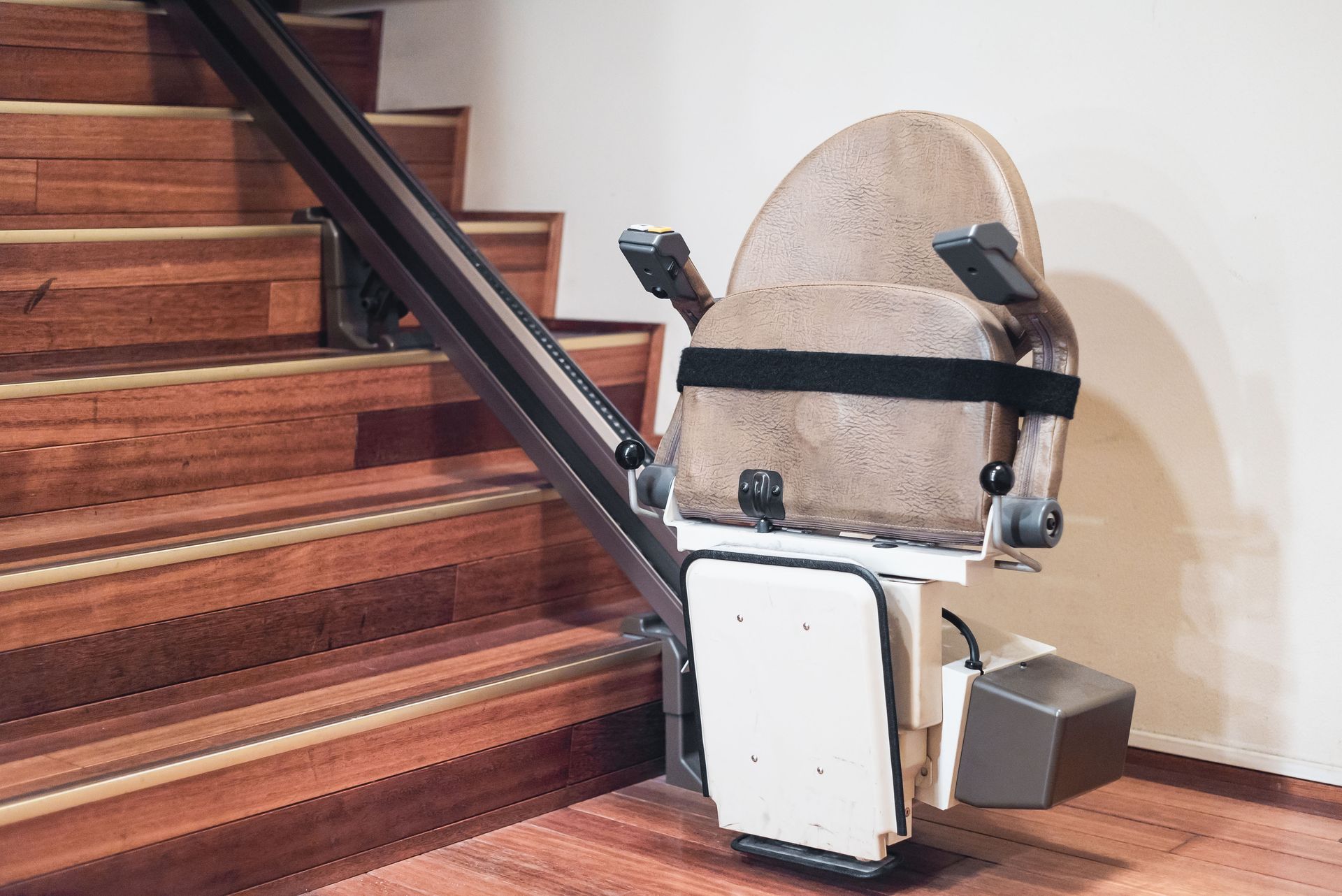
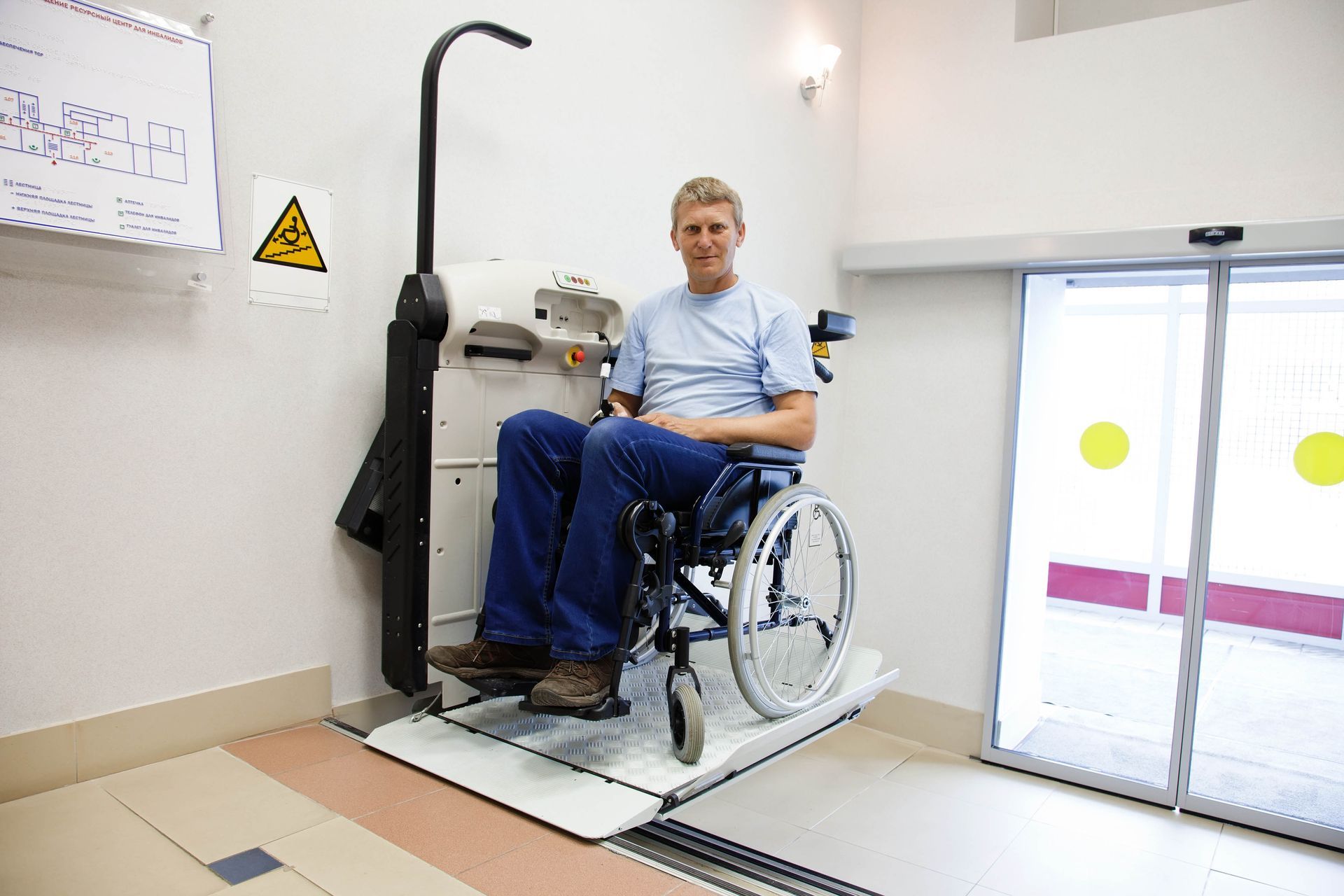
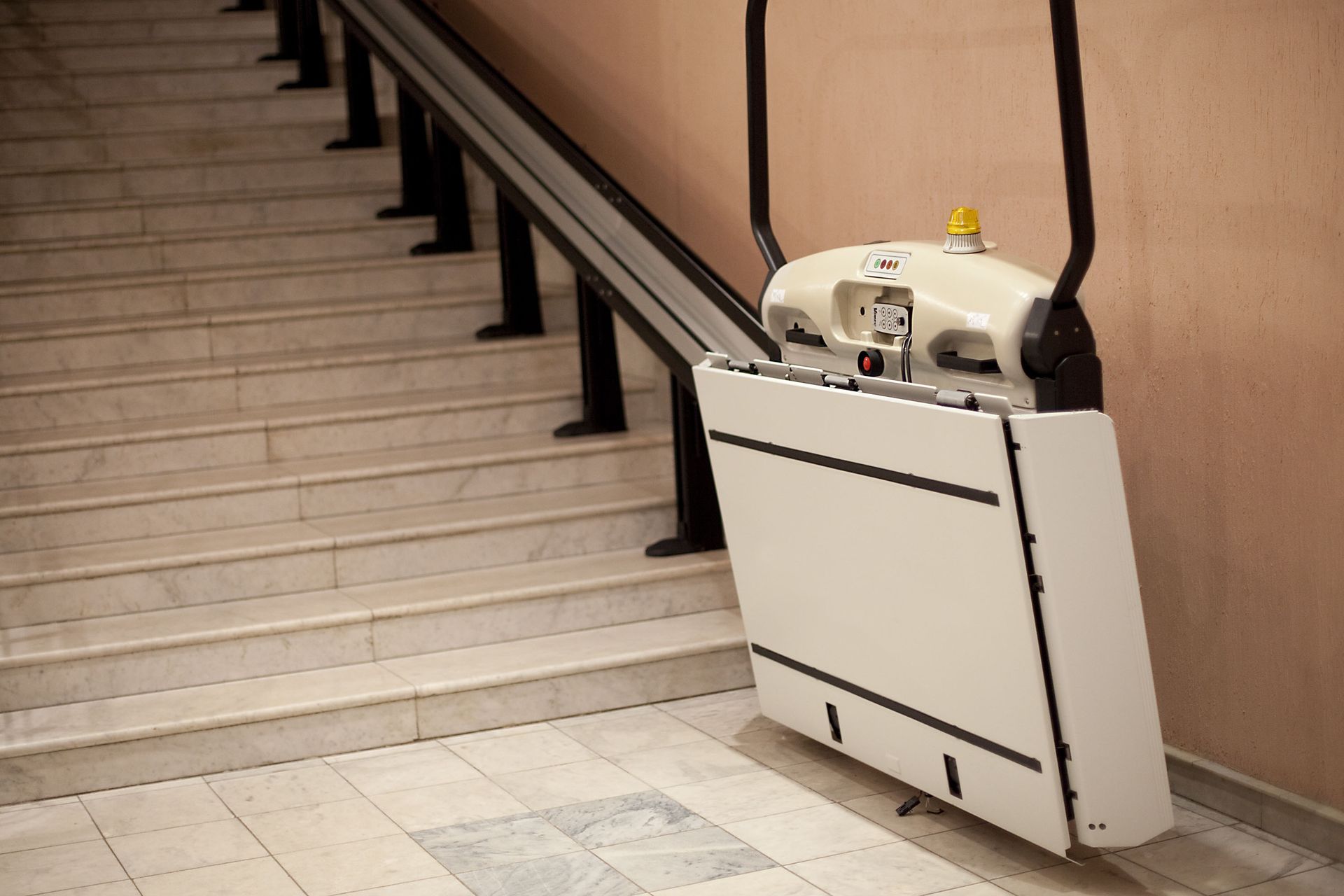
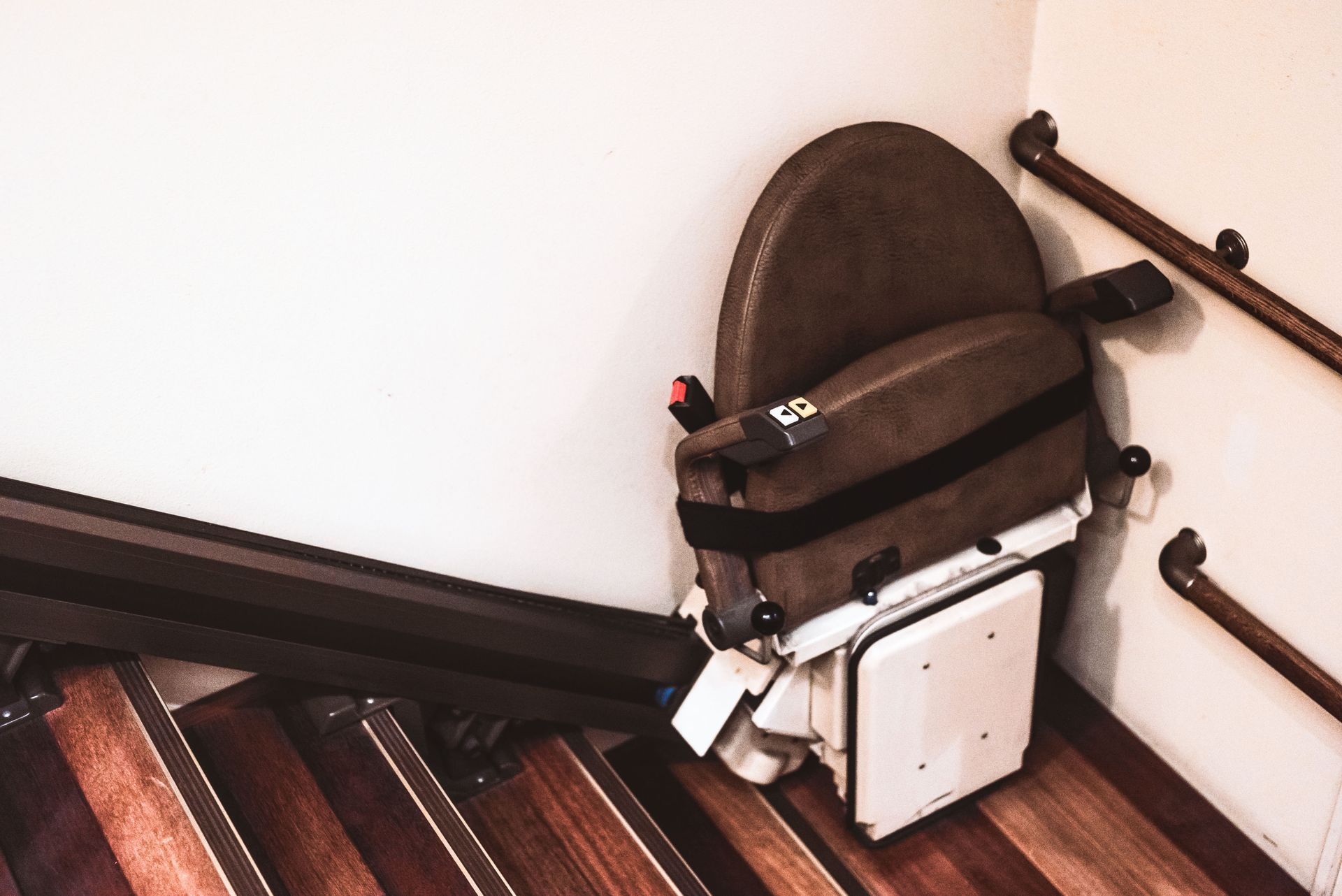
Consistent tread height and secure coverings are important. Landings should remain clear of clutter. Loose carpet and slippery finishes should be addressed promptly. For many households, stair lifts provide dependable access between levels. These systems can be customized to fit different stair configurations.
Split-level steps and small transitions also require attention. Bright lighting and stable handholds increase safety. Visual cues help make level changes easier to see. These adjustments support smoother movement throughout the home. Predictable transitions reduce hesitation and fear of falling.
Integrating Assistive Features and Long-Term Planning
Planning for mobility works best when done proactively. Homes may need to support caregiving or changing mobility levels. Early planning allows more time to compare solutions. It also reduces pressure during urgent situations. Consulting professionals can provide helpful guidance.
Smart features can enhance independence. Voice-controlled systems reduce repeated walking and reaching. Video doorbells improve security and convenience. Automated lighting supports nighttime visibility. Remote monitoring tools can offer added reassurance.
According to ConsumerAffairs.com, only about 40% of U.S. homes have basic aging-friendly features. This statistic highlights the need for thoughtful planning. Proactive improvements allow homes to adapt more easily over time. In multi-level homes, stair lifts may be part of that forward-thinking approach. Preparing in advance supports long-term confidence.
Balancing Aesthetics, Budget, and Practical Priorities
Accessibility upgrades can maintain a home’s style. Many improvements, such as lighting and hardware changes, are subtle. Even larger updates can blend with existing design choices. Planning function and appearance together creates better results. Coordinated finishes help preserve visual appeal.
Prioritizing upgrades by impact makes budgeting easier. Start with changes that reduce fall risk and support daily movement. Focus next on high-use areas like entries and bathrooms. Stair lifts can preserve access without a full remodel. Phased investments make projects more manageable.
Timing also matters. Some updates can be completed quickly, while others require permits or scheduling. A phased approach keeps improvements manageable. Designing homes for mobility and accessibility supports comfort and independence over time. With thoughtful planning and the right solutions, homes can adapt to changing needs. To explore solutions such as stair lifts and other mobility options, contact Progressive Mobility and Medical.